

Single Parent Home Loan: 6 Ways to Qualify on One Income
A single parent home loan can help make home ownership possible, even when you’re relying on one income. While lenders may take a closer look at your finances, understanding how borrowing capacity, deposits and government support work can improve your chances of approval.
In this guide, we’ll explore practical ways to strengthen your application and move closer to buying a home with confidence.
1. Single Parent Home Loan Success Starts With Understanding Your Borrowing Power
Before applying for a single parent home loan, it’s important to understand how lenders determine how much you can borrow. While income is a key factor, it is only one part of the assessment. Lenders also look at your living expenses, existing financial commitments and the number of dependants you support.
This is why borrowing capacity can differ significantly between households with similar incomes. A person earning a higher salary may not necessarily qualify for a larger loan if they have substantial expenses or ongoing debts.
To get a clearer picture of your position, review your monthly budget before applying for a single mum home loan. Understanding where your money goes each month can help you identify opportunities to reduce expenses, improve savings and prepare for lender assessments with greater confidence.
2. Save a Deposit Strategically
Building a deposit while managing household expenses can take time, but having a clear savings plan can make the process more manageable. Although some lenders accept smaller deposits, saving a larger amount may provide more flexibility when comparing loan options.
A larger deposit can potentially:
- Reduce the amount you need to borrow
- Lower your loan-to-value ratio (LVR)
- Reduce or eliminate lenders mortgage insurance (LMI) in some situations
- Improve your overall application strength
For many single parents, consistency is often more important than making large contributions. Setting up automatic transfers to a dedicated savings account, directing tax refunds towards your deposit fund and regularly reviewing discretionary spending can help build momentum over time. This can be particularly important given that Reserve Bank data shows the time required to save a home deposit has increased across most Australian capital cities over the past two decades.
It may also be worth investigating government support programs that assist eligible buyers. Depending on your circumstances, these initiatives may help reduce the upfront costs associated with purchasing a home.
3. Reduce Existing Debts Before Applying
One of the quickest ways to improve your financial position before applying for a single parent home loan is to review any existing debts and credit facilities. Even if you manage repayments comfortably, lenders still factor these commitments into their serviceability calculations.
Before lodging an application, consider whether you can reduce or clear:
- Credit card balances and unused credit limits
- Personal loans
- Car loans
- Buy Now Pay Later accounts
- Other ongoing credit arrangements
Many borrowers are surprised to learn that an unused credit card can still affect borrowing capacity because lenders assess the available limit, not just the current balance.
Reducing liabilities where possible can improve serviceability and demonstrate responsible financial management. This may place you in a stronger position when a lender evaluates your ability to manage future mortgage repayments.
4. Maintain a Strong Credit Profile
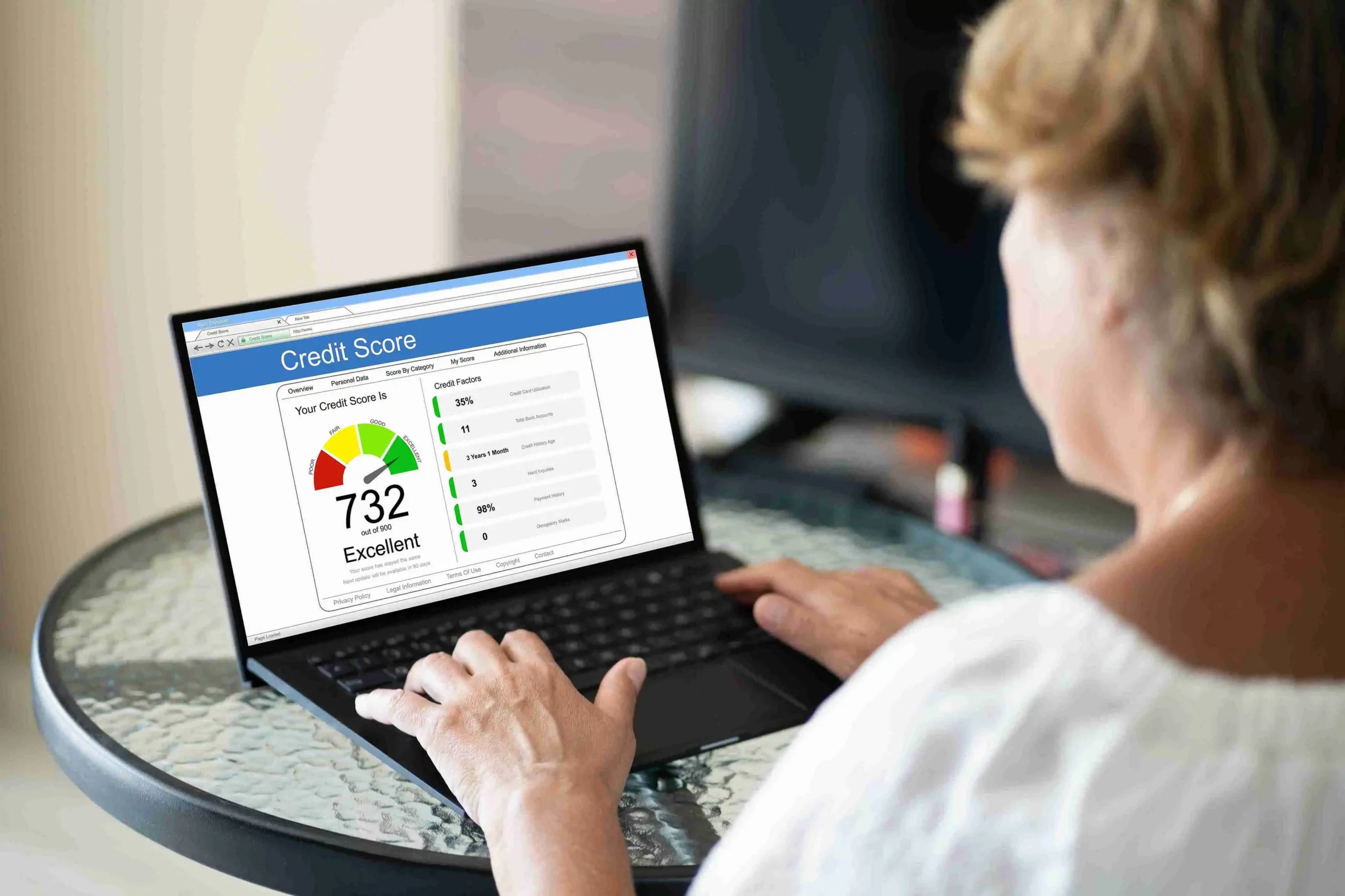
Your credit history gives lenders insight into how you’ve managed financial commitments in the past. While a perfect credit score is not always required, a strong repayment history can help demonstrate that you’re a reliable borrower.
Before applying for home loans for single parents, it may be worth taking a few simple steps:
- Check your credit report for any errors or outdated information.
- Ensure bills and loan repayments are paid on time.
- Avoid applying for multiple credit products within a short period.
Frequent credit applications can sometimes raise concerns because they may indicate financial stress or a reliance on additional borrowing. Reviewing your credit position early gives you an opportunity to address any issues before submitting a single parent home loan application.
5. Explore Government Schemes and Assistance Programs
Government assistance programs can provide valuable support for eligible buyers who are finding it difficult to enter the property market on a single income. These initiatives are designed to reduce some of the barriers associated with saving a deposit and meeting upfront purchase costs.
One example is the Family Home Guarantee, which allows eligible applicants to purchase a property with a smaller deposit without paying lenders mortgage insurance. Programs like this can make a single parent home loan more accessible by reducing some of the upfront costs associated with buying a property. Depending on your circumstances, there may also be state-based grants or concessions available.
Because eligibility requirements can change, it’s important to review the latest criteria before relying on any scheme. Understanding what support is available could make a meaningful difference when planning your purchase.
6. Keep Your Financial Documents Organised
A well-prepared application is often easier for lenders to assess. Having your documentation organised from the beginning can help reduce delays and minimise requests for additional information during the approval process.
Common documents lenders may ask for include:
- Recent payslips
- Bank statements
- Identification documents
- Tax returns and notices of assessment
- Details of existing debts and financial commitments
If you’re self-employed, additional documentation may also be required. This could include business financial statements, BAS records or evidence of consistent income over a longer period.
Taking the time to gather these documents before applying for a single parent home loan can make the process smoother and help ensure your information is presented clearly and accurately.
Common Challenges for Single Parents in the Home Loan Market
1. Income Constraints
One of the most significant challenges single parents face is proving they have the borrowing capacity. With only one income stream, meeting a lender’s serviceability criteria can be more difficult. This is especially true when factoring in dependent expenses like childcare and schooling. Since lenders assess income, expenses and dependents when calculating borrowing power, single parents can find their loan eligibility reduced when compared to dual-income households.
2. Saving for a Deposit
The rising cost of rent in Australia makes it challenging for single parents to save for a home deposit. Rental expenses, coupled with the cost of raising children, can leave little room for savings. Single parents often need to carefully manage expenses, reduce unnecessary spending and create dedicated savings plans to build their deposit.
3. Employment and Credit History
For self-employed or casually employed single parents, demonstrating consistent income can add another layer of complexity getting a home loan for single parents. Lenders tend to favour stable, full-time employment. This puts those in flexible or freelance work at a disadvantage. You should also note that maintaining a strong credit history is essential since lenders use this to assess financial responsibility.
What Lenders Look For Beyond Income
While income plays an important role in any application, lenders also assess how well you manage your finances overall. Demonstrating responsible financial habits can help strengthen your position when applying for a single parent home loan.
Some of the factors lenders commonly review include:
- Consistent savings patterns over time
- Stable employment and income history
- Responsible use of bank accounts and credit facilities
- Evidence that repayments can be managed comfortably within your budget
A strong financial track record can help reassure lenders that you’re prepared for the ongoing responsibilities of home ownership.
Ready to Explore Your Home Loan Options?
While single parents face unique hurdles in securing a home loan, numerous programs and strategies can help make homeownership achievable. From government support like the First Home Loan Deposit Scheme to creative pathways such as shared ownership, options exist for every situation.
By engaging mortgage brokers, like the members of our team here at NBHL, and taking advantage of available resources, single parents can take confident steps toward owning a home. If you’re a single parent dreaming of homeownership, start exploring your options today. Contact us so we can help guide you towards securing your family’s future home.
FAQs About Single Parent Home Loan
Can You Get a Home Loan for Single Parents With Government Support?
Yes, eligible single parents may be able to access government initiatives such as the Family Home Guarantee and other state-based assistance programs. Eligibility requirements vary, so it’s important to check the latest criteria before applying.
Can Child Support Payments Be Included as Income for a Home Loan?
Some lenders may consider child support payments as part of your income if they are regular and can be verified. Each lender has different policies regarding how this income is assessed.
Is It Better to Buy a House or a Unit as a Single Parent?
The right choice depends on your budget, lifestyle and long-term goals. Units can be more affordable in some locations, while houses may offer more space and future growth potential.
Can a Guarantor Help Me Qualify for a Home Loan?
In some cases, a family member may be able to act as a guarantor to help reduce the deposit required. This arrangement can make it easier to enter the property market, but it also involves risks that should be carefully considered.
How Long Does Home Loan Pre-Approval Last?
Most pre-approvals are valid for around 60 to 90 days, although this can vary between lenders. If your circumstances change during that period, the lender may reassess your application.
Can I Refinance My Home Loan as a Single Parent?
Yes, refinancing may be an option if you’re looking to access equity, reduce repayments or change loan features. Eligibility will depend on your current financial position and the lender’s assessment criteria.