

Brisbane House and Land Packages: Are They Worth It?
House and land packages can offer Brisbane buyers a convenient way to secure a block of land and build a new home without having to organise each part of the process separately. For buyers who want a modern property, this approach can make the journey from choosing a location to starting construction feel more straightforward.
Convenience, however, does not automatically mean better value. Buyers still need to consider the total cost, location, building contract, inclusions and how construction finance will work throughout the build. This can be particularly important for first home buyers who may be navigating the building and lending process for the first time.
So, are these packages actually worth it? This guide looks at how they work, their potential benefits and drawbacks and the key costs and finance considerations to check before making a decision.
What Are House and Land Packages?
House and land deals can be an ideal solution for homebuyers looking to build their dream home without the hassle of purchasing land and coordinating with builders. These packages typically include both a piece of land and a newly constructed home, all bundled into one complete package.
With this kind of property purchase, you’re essentially buying both the land and the house from a single developer or builder. This streamlines the homebuying process and often comes with additional perks such as customisable home designs, fixed pricing and potentially lower upfront costs compared to buying an existing home.
How Do House and Land Packages Work?
House and land packages bring together a block of land and a new home design, but the purchase often involves separate contracts for the land and construction. Understanding each stage can help you plan your budget and know when different payments and approvals may be required.
A typical process looks like this:
1. Choose your land and home design. Select a block and a design that suits the site, your budget and your household needs
2. Review the contracts. Check the land contract and building contract carefully, including specifications, inclusions, exclusions and potential additional costs.
3. Arrange your finance. Your lender will assess your financial position, the land and building contract before confirming the relevant lending conditions.
4. Settle on the land. Once settlement occurs, you become the owner of the block and can move towards construction.
5. Begin construction. With construction loans, funds are generally released through progress payments as agreed stages of the build are completed, rather than providing the entire construction amount upfront.
6. Complete inspections and handover. Once construction is finished, final inspections can identify outstanding work before the property is handed over.
The exact process can vary depending on the builder, developer, lender and contracts involved. Knowing the sequence early can make it easier to prepare for approvals, payments and possible delays during the build.
What Are the Benefits of House and Land Packages in Brisbane?
For buyers considering house and land packages, one of the main attractions is the opportunity to secure a new home in Brisbane’s growing residential areas. Rather than renovating an older property, buyers can start with a home designed around current building standards and modern lifestyles.
Some practical benefits include:
- A brand-new home: Modern layouts, fixtures and energy-efficient features may reduce the need for immediate upgrades after moving in. Since May 2024, Queensland’s residential energy efficiency standards have required new houses and units to meet a 7-star energy equivalence rating for the building shell. These standards are designed to improve comfort and help reduce energy costs over the life of the home.
- More choice during the build: Depending on the builder and package, buyers may be able to choose certain finishes, fixtures, colour schemes and design upgrades.
- Lower initial maintenance: New homes generally have less wear and tear than established properties, which may mean fewer repairs in the early years.
- Clearer building costs: When specifications and inclusions are detailed upfront, buyers can have a better understanding of what is covered by the contract. It is still important to budget for exclusions and possible variations.
- Access to growing communities: New developments are often located in expanding areas where transport, schools, shops, parks and other infrastructure are being developed or upgraded.
These benefits can be attractive to buyers exploring new home loans, but a new build will not suit everyone. Consider the overall cost, commute, block size and expected construction timeframe alongside your long-term plans. The right choice should fit comfortably within your budget as well as the way you expect to live in the years ahead.
What Costs Should You Consider Beyond the Package Price?

The advertised price of house and land packages may not reflect everything you will spend before the home is ready to move into. Some packages have comprehensive inclusions while others leave certain site works, finishes and external features for the buyer to cover.
Costs worth checking include:
- Site preparation: Soil conditions, excavation, retaining walls and site access can affect building costs.
- Landscaping and external works: Fencing, gardens, driveways and other outdoor features may not be included.
- Utility connections: Connecting electricity, water, sewerage and other services can add to the budget.
- Upgrades and variations: Changes to flooring, appliances, fixtures or the original design can increase the contract price.
- Approvals: Council, certification or other approval-related costs may apply depending on the project.
- Legal expenses: Conveyancing and contract reviews should be included in your upfront budget.
- Holding costs: You may need to cover rent, existing mortgage repayments or other expenses while waiting for construction to finish.
Your construction finance should account for both upfront expenses and costs that arise as the build progresses. Before committing, compare the inclusions and exclusions carefully. A lower headline price does not necessarily mean a lower overall cost.
What Are the Potential Drawbacks?
While house and land packages can simplify parts of the buying and building process, there are trade-offs to consider. A new home also requires patience and careful planning, particularly when construction timelines or costs change.
Potential drawbacks include:
- Construction delays: Weather, labour shortages, material availability and other issues can push back completion.
- Unexpected costs: Site conditions, contract variations and upgrades may increase the final amount you pay.
- Design limitations: Some packages offer a set range of layouts, finishes and structural options.
- Smaller blocks: New developments may offer less land than buyers expect, depending on the location and budget.
- Overlapping housing costs: Delays may mean paying rent or other housing expenses for longer than planned.
- Developing amenities: Shops, schools, transport links and community facilities in newer estates may take time to become fully established.
Before signing, research the builder and developer as well as the property itself. Look into the surrounding area, planned infrastructure and contract conditions so you understand what you are committing to beyond the appeal of a brand-new home.
How Does Financing a New Build Work?
Financing a new build can work differently from buying an established property. Instead of the lender providing the full construction amount at settlement, funds are generally released as the builder completes agreed stages of the project.
With new home loans, the exact process will depend on the lender and loan structure. Progress payments may correspond with stages such as the slab, frame, lock-up, fit-out and completion. The lender may require invoices or inspections before releasing each payment.
Requirements can also vary when it comes to deposits, property valuations and borrowing capacity. This makes it important to understand how your lender will assess the land and construction costs before you sign contracts or commit to upgrades.
Are House and Land Packages Good for First Home Buyers?
House and land packages can appeal to first home buyers who want a brand-new property and a relatively clear path from selecting land to building their home. Having the land, design and builder organised as part of the process can also reduce some of the searching involved.
However, buying new still requires careful preparation. Before committing, consider the full cost of the build, contract inclusions, possible variations and how long you may need to wait before moving in.
Eligible buyers may also have access to government assistance for purchasing or building a new home. Schemes, thresholds and eligibility requirements can change, so check current information from the Queensland and Australian governments before factoring any assistance into your budget.
What Should You Check Before Signing?
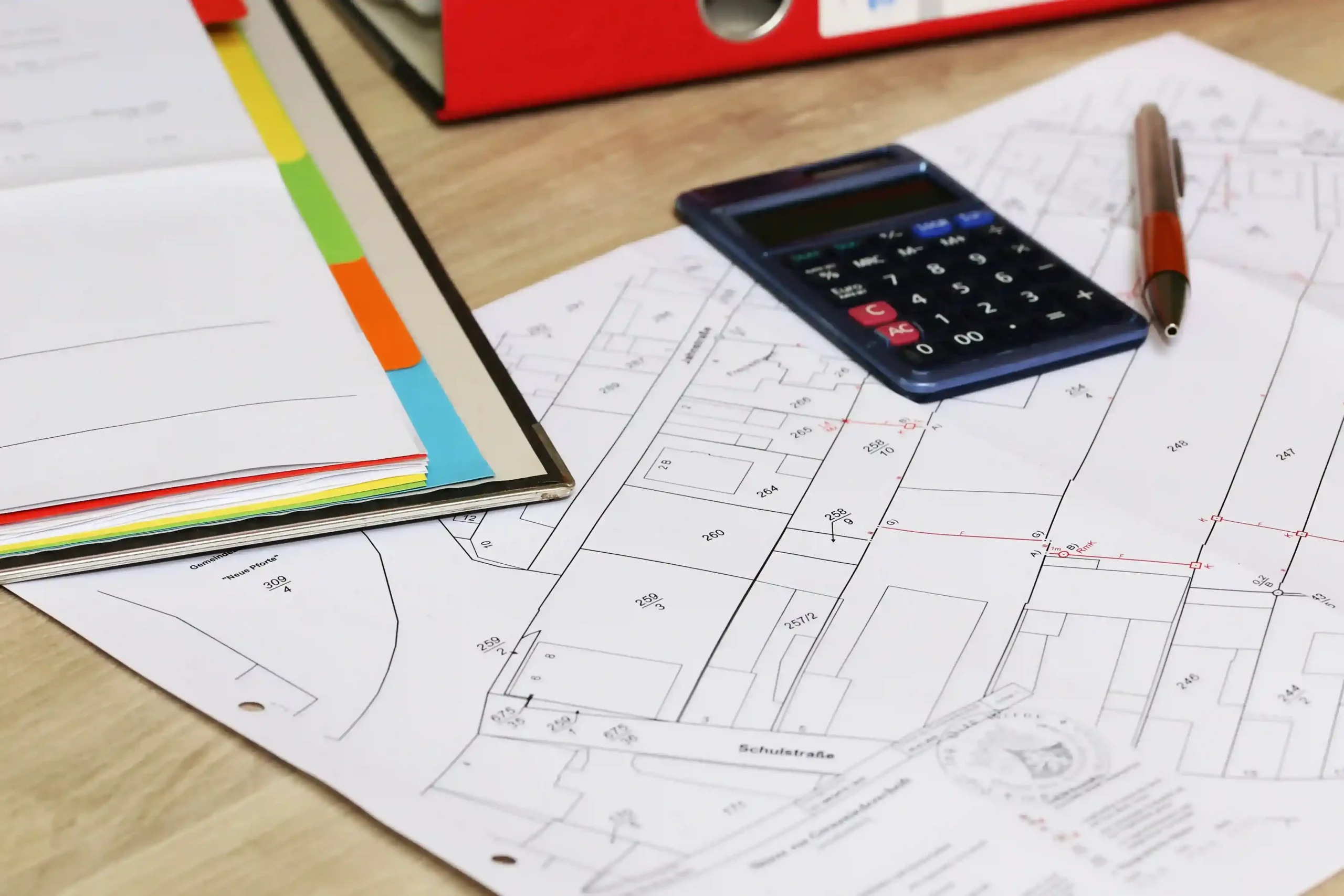
Before signing any contracts, look beyond the display home and advertised price. A practical checklist can help uncover potential costs, restrictions and risks before you make a financial commitment.
- Confirm exactly what fixtures, finishes and external works are included.
- Ask about site costs and circumstances that could lead to variations.
- Research the builder’s experience, reputation and previous projects.
- Have the land and building contracts independently reviewed.
- Check relevant flood, bushfire and planning overlays for the property.
- Research existing and planned transport, schools, shops and local infrastructure.
- Calculate repayments alongside rent and other expenses you may carry during construction.
- Maintain a financial buffer for costs outside the agreed contract price.
- Check the estimated completion date and understand how the contract deals with delays.
The more you clarify before signing, the easier it is to assess whether the project fits your finances and expectations.
Are Brisbane House and Land Packages Worth It?
Whether house and land packages are worth it ultimately depends on what you value and what the complete project will cost. Buyers who want a new home, prefer some choice over finishes and are comfortable waiting for construction may find them well suited to their plans.
An established property may be a better fit if you need to move quickly, want to see exactly what you are buying or prefer an established neighbourhood with existing amenities.
Rather than judging a package by its advertised price alone, compare the total cost, location, builder, inclusions and finance structure. Most importantly, consider whether the finished property will continue to suit your budget and lifestyle over the longer term.
House and Land Packages: Exploring Your Options with North Brisbane Home Loans
If you’re considering a house and land package, then it’s a good idea to start with some expert advice from a local mortgage broker. The team at North Brisbane Home Loans can provide you with professional guidance every step of the way, from exploring available packages to securing financing. When it comes to navigating finance for house and land deals, we’re here to help you make informed decisions and achieve your homeownership goals.
Don’t let uncertainty hold you back from owning your dream home. Contact North Brisbane Home Loans today to learn more about securing finance for house and land packages.
Frequently Asked Questions About House and Land Packages
Can the land and building components settle at different times?
Yes. In many arrangements, the land purchase and building contract are separate transactions. You may settle on the land before construction begins, which means loan repayments and other ownership costs can start while the home is still being built. Check the timing of both contracts so you understand when your financial obligations begin.
What happens if the property valuation is lower than the contract price?
A lender’s valuation may not always match what you have agreed to pay for the land and build. If the valuation is lower, the lender may calculate its maximum lending amount using the valuation rather than the contract price. This could leave you needing to contribute more of your own funds. Valuation policies vary between lenders, so this is worth understanding before committing.
Can I change builders after buying the land?
Potentially, but it depends on your contracts and the conditions attached to the land. Some estates have design guidelines, approved builder arrangements or timeframes for starting construction. Changing builders may also affect your finance approval, building costs and construction schedule. Review any restrictions before assuming you can switch later.
What happens to my loan repayments while the home is being built?
During construction, borrowers will generally pay interest on the amount that has actually been drawn rather than the entire approved construction amount. As more progress payments are released, the outstanding balance increases and interest costs can rise. The exact repayment arrangement depends on the lender and loan terms.
Can a lender require another valuation during construction?
Yes. A lender may require inspections or valuations before releasing certain progress payments or at completion. This helps confirm that construction has reached the required stage and that the work broadly aligns with the approved project. The timing and requirements differ between lenders.
What happens if the builder’s final costs exceed the approved loan amount?
Your lender will not necessarily increase the approved amount simply because building costs rise. Variations or unexpected expenses may need to be funded from your own savings unless additional borrowing is approved. This is one reason to understand how your lender treats contract variations before agreeing to significant changes during construction.