

HECS Debt Explained: What It Means for Your Finances in 2025
Do you know what HECS debt is? Will it impact your goal of buying a home? How will it affect your finances in general?
Let’s suppose that you’re finally ready to buy your first home. You’ve saved up a deposit, you’ve done your research and you’re ready to talk finance. But something is holding you back. It’s your HECS debt and you’re feeling anxious about how it might affect your loan application.
Paying back a HECS bill is a normal part of life for many young Australians. But when it comes to buying your first home, this debt can impact your financial situation and borrowing capacity. Fortunately, with the right advice, your HECS bill doesn’t have to be a big deal.
What is HECS Debt?
First of all, what is HECS debt? The Higher Education Contribution Scheme (HECS) is a student loan that is provided by the Australian government to fund the cost of higher education. The great thing about HECS is that you don’t have to start paying the money back until your taxable income meets the minimum repayment threshold (currently set at $51,550 per year).
Although HECS doesn’t accrue interest like a traditional loan, it is indexed annually to keep up with inflation. This means that the longer your HECS remains unpaid, the more you’ll eventually have to pay.
Can HECS Debt Affect Your Home Loan Eligibility?
Your HECS debt repayment won’t affect your credit score, but lenders will include the total value when calculating your financial commitments. Since HECS repayments are automatically deducted from your salary once you meet the minimum threshold, lenders will count this as a regular outgoing expense.
How does this affect your borrowing capacity? In simple terms, the higher your HECS bill, the less surplus income you have available to pay a mortgage, so the lower your potential borrowing capacity will be.
Applying for a Loan While Managing HECS Debt Repayment

Fortunately, there are some simple steps you can take to minimise the impact this debt will have on your home loan application, such as:
1. Pay Off High-Interest Debts
Aim to pay off any high-interest debts (such as credit cards or personal loans) to reduce your overall liabilities
2. Maintain Stable Employment
Focus on maintaining a consistent income and stable employment (lenders love this!)
3. Make Voluntary HECS Repayments
If possible, consider making voluntary repayments to reduce your total HECS.
4. Speak to a Mortgage Broker
Talk to an experienced mortgage broker about how you can maximise your borrowing potential.
Is There Such a Thing as HECS Debt Relief?
While HECS debt relief does exist in Australia, it is only available to a very limited group of people.
The Australian government has proposed new legislation that, if passed by parliament, would reduce existing HECS bills by 20%. The new legislation would also increase the minimum earning threshold to $67,000, starting from the 2025–26 financial year. However, there is currently no guarantee that these changes will be approved.
HECS Debt Repayment and Home Loans
Don’t let your HECS stop you from owning a home. With a little preparation and the expert advice of a local broker, you could be buying your new home sooner than you think!
The experienced team at North Brisbane Home Loans specialise in helping first home buyers achieve their home-ownership goals. We won’t waste your time overwhelming you with different options. We’ll assess your current financial situation and then recommend a loan that is tailored to your specific needs.
So, stop worrying about your HECS debt. Contact North Brisbane Home Loans today and take the next step towards buying your first home.
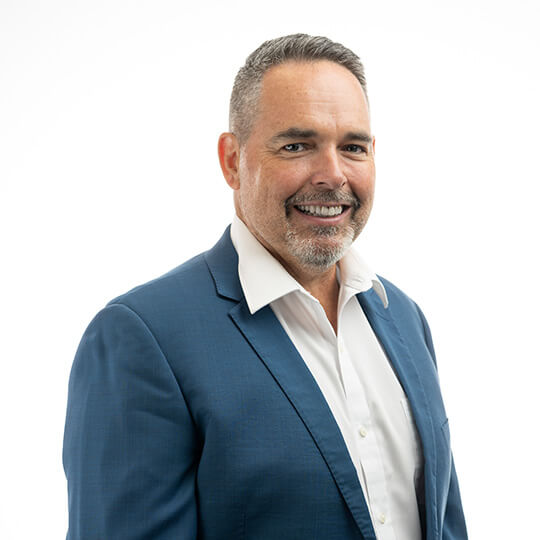
Patrick Cranshaw, a Certified Mortgage Professional for over 21 years, founded North Brisbane Home Loans in 2002. His career began with ANZ Bank in New Zealand, where he progressed over 16 years to a Business Banking role in Virginia. After moving to Brisbane in 2000, Patrick led the QLD market for a home loan agency, helped set up the REMAX Real Estate Finance division, and practiced as a broker.