

Construction Financing Basics: Understanding Progressive Drawdowns
Construction financing plays a key role when you are building rather than buying, yet many borrowers are unsure how the process actually works. Whether you are a first home builder, an upgrader, an investor or a renovator, understanding this loan structure will help you plan your budget with confidence.
Unlike a standard home loan, the lender releases funds in stages that follow your build. Knowing how these drawdowns work, what lenders check and when repayments shift gives you clarity from the first invoice to final completion.
What Construction Financing Is and How It Works
Construction financing is a loan that funds your build in stages instead of releasing everything upfront. Your lender pays the builder through progressive drawdowns that follow the milestones in your contract, such as slab, frame, lock up, fit out and completion. Each stage is paid only when the builder submits an invoice and the lender confirms the work has been done.
This setup differs from a standard home loan, where the full amount is advanced at settlement. With construction financing, you only pay interest on the funds already drawn, which helps manage cash flow early in the build. The Reserve Bank of Australia also notes that interest only structures are commonly used for construction lending as they minimise repayments during the build phase.
Before approval, lenders review your plans, costings and contract to ensure the project is feasible. Once the loan is active they check each stage before releasing more funds. Clear paperwork and accurate timing from your builder keep the process smooth and reduce the chance of delays.
Why Progressive Drawdowns Matter in Construction Financing
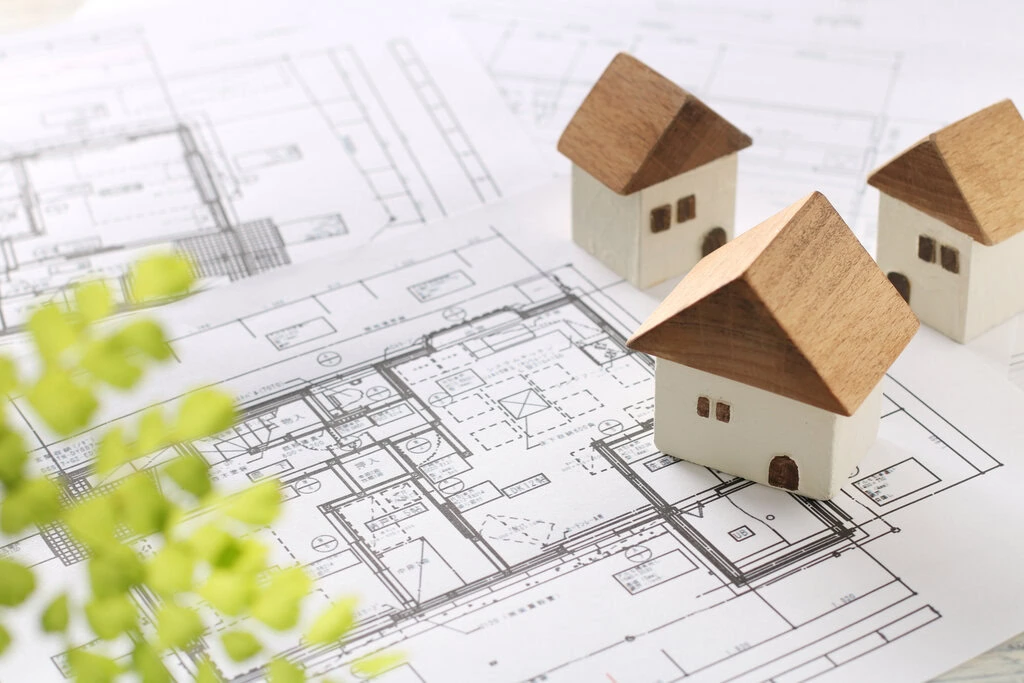
Progressive drawdowns matter because they link each payment to real progress on your build. Funds are released only when a milestone is completed and verified, which protects you from paying ahead of schedule and protects the lender by ensuring the project remains viable.
Timing, documentation and valuation checks all play a role, as each stage must be confirmed before the next payment is released. Clear communication between you, your builder and your lender keeps the project moving without unnecessary delays and helps maintain the structure of your construction financing plan.
How Progressive Drawdowns Influence Cash Flow
Repayments shift as your build advances because interest is charged only on the amount drawn at each stage. Early stages usually mean smaller repayments, which increase as more funds are released. Planning a buffer helps cover timing gaps between builder invoices and lender approvals, especially if you are also organising new home financing or managing temporary living costs during the build.
What Builders and Lenders Look For at Each Stage
Each stage follows a set order: slab, frame, lock up, fit out and completion. At every stage your builder submits an invoice and the lender checks progress through an inspection or supporting evidence. Lenders also confirm the work still aligns with the approved plans and that the builder’s insurance is current. Clear documents and accurate timing help the lender release funds smoothly.
How Valuations Interact With Progressive Drawdowns
Valuations begin with an initial assessment of the completed build and may include progress checks as work continues. These valuations ensure the project value still supports the loan. Variations to the contract or market shifts can affect outcomes, so understanding how valuations influence usable equity helps manage expectations. When valuations align with the build, stage payments proceed with fewer issues and the overall construction financing structure remains consistent from start to finish.
Key Numbers to Watch With Construction Financing Rates and Conditions
When setting up construction financing, it helps to understand the numbers that shape your costs during the build. Lenders use their own calculators to model repayments and buffers, so comparing construction financing rates across lenders can make a real difference. Keep an eye on the points below to decide which structure suits your project.
Construction Financing Key Things to Check:
- Rate type: Variable rates offer flexibility if your build takes longer than planned, fixed rates give short-term certainty and split loans provide a mix of both.
- Fees and charges: Progress payment fees, valuation updates and contract variation charges can add to the overall cost, so include them in your planning.
- Offset availability: Some lenders allow an offset during construction. Linking your savings to the loan balance can reduce interest, especially when the drawn amount is still low.
- Loan splits: Splitting the loan can give you more control by keeping part fixed for stability while leaving another portion variable for flexibility.
Reviewing these numbers early helps you choose a loan structure that matches the timing and scope of your build from slab stage to completion.
5 Common Traps to Avoid When Financing Home Construction
When financing home construction, it helps to be aware of the common mistakes that can slow down your project or increase costs. Construction loans rely on timing, clear documents and steady communication, so small oversights can quickly affect progress. Keeping an eye on the points below gives you a smoother path from contract to completion.
Avoid These Construction Financing Traps:
- Premature drawdowns: Requesting funds before a stage is fully completed can cause delays, as lenders will not release money until the work matches the contract. Always wait for confirmation from your builder before lodging a drawdown request.
- Unplanned variations: Changes to the build after approval can affect your budget and may require a lender reassessment. Even small upgrades can increase total cost, so confirm variations in writing and check how they impact your loan.
- Expired approvals: Construction timelines can shift, and if your loan approval expires mid-build you may need updated documents or financial checks. Monitor the expiry date and keep your lender informed if the schedule changes.
- Incomplete documentation: Each stage requires clear invoices, insurance certificates and evidence of progress. Missing or inconsistent paperwork is one of the most common reasons for funding delays, so ensure your builder provides everything in the required format.
- Budget creep: Material price changes and added upgrades can push the project over your original estimate. Keep a close eye on costs throughout the build and avoid relying solely on early quotes.
Your Next Steps for Confident Construction Financing Setup
To prepare for construction financing gather your fixed price contract, plans, specifications, quotes and a clear budget with a small contingency buffer. These documents help your lender assess the project quickly and confirm that the build fits within your borrowing capacity and timeline.NBHL can compare lenders, explain your options and structure a loan that supports each stage of your build. If you want a simple plan and straight answers, book a short chat with our team and we’ll walk you through the next steps at your pace.

Patrick Cranshaw, a Certified Mortgage Professional for over 21 years, founded North Brisbane Home Loans in 2002. His career began with ANZ Bank in New Zealand, where he progressed over 16 years to a Business Banking role in Virginia. After moving to Brisbane in 2000, Patrick led the QLD market for a home loan agency, helped set up the REMAX Real Estate Finance division, and practiced as a broker.